Backstage
How We’re Working To Reduce Toxins
By
Here at Saint and Sofia, we take sustainability seriously and work hard to reduce our carbon footprint and environmental waste. As a brand, we’re running many projects to help us achieve this goal, but there’s one in particular that holds our focus: reducing toxins. What exactly does that entail? Well, allow us to explain.
Toxins in the Fashion Industry
Unfortunately, the creation of your favourite garms comes at a cost to the planet. Fabric production often requires the use of crude oils and gases, which leads to CO2 emissions. Then there are the dyes and adhesives, which can end up leaking into the environment and contaminating water and soil. And after you’ve finished wearing them, your garments often cannot biodegrade – meaning they’re left to end up in landfills. As part of our sustainability focus at Saint and Sofia, we’ve turned to recycled materials to help combat this issue.

Recycled Materials
Recycling materials is a great way to reduce the amount of toxins released into the environment. Not only does it prevent fabrics from ending up in landfills, but it also cuts the need for crude oils and gases when creating virgin materials. Two materials that feature heavily in our designs are recycled polyester and recycled nylon, both of which come with great benefits for the planet we call home.

Recycled Polyester
Made from plastic bottles, recycled polyester is a breathable and lightweight material that can be machine-washed at high temperatures, tumble-dried without shrinking, and rarely needs ironing, thanks to its anti-wrinkle properties. But it’s not just recycled polyester’s wearable qualities that make it such an ideal material; it’s the added planetary benefits.
- An estimated 8 million tonnes of plastic enter the ocean each year. Recycling plastic bottles from landfills helps to reduce this amount and in turn saves aquatic life.
- As recycled polyester doesn’t require as much crude oil or gas as virgin polyester, it reduces CO2 emissions by around 20.7%.
- When recycled by chemical engineering, polyester maintains its strength and quality meaning it can be reused again and again to prevent the production of new virgin materials.
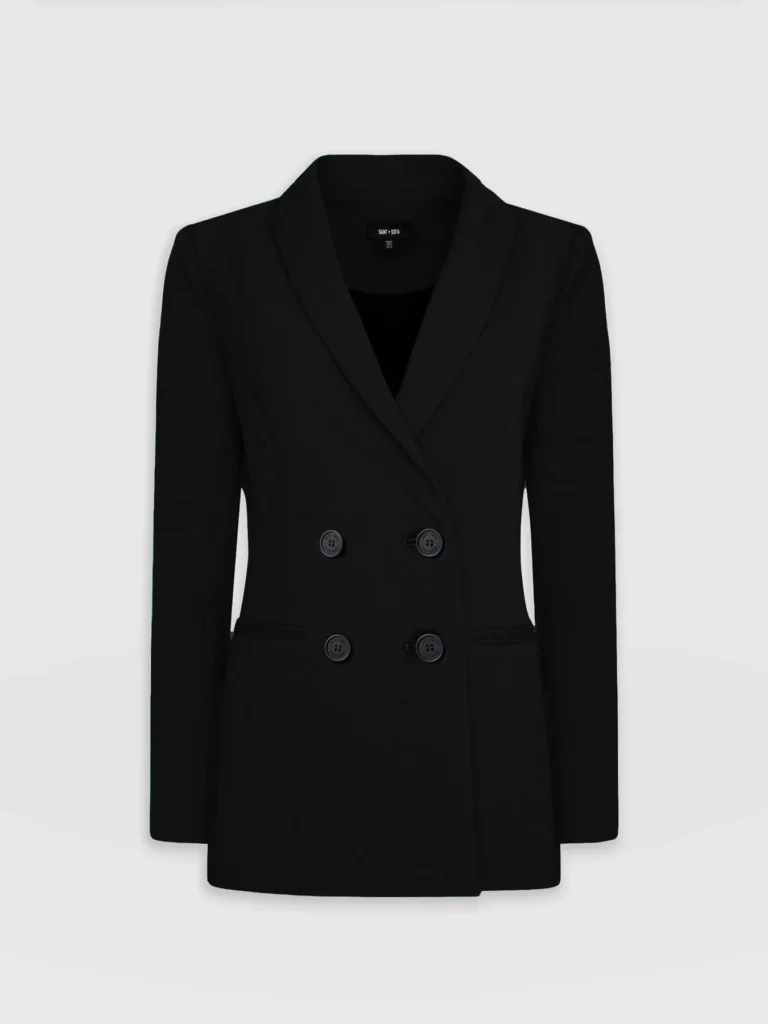
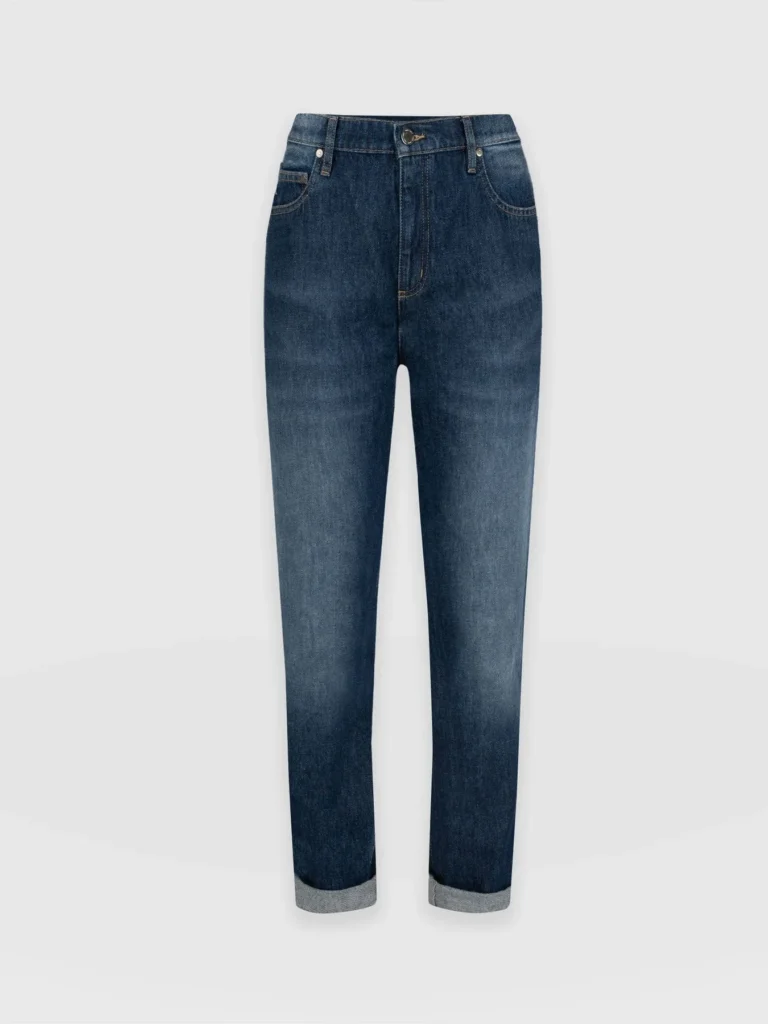
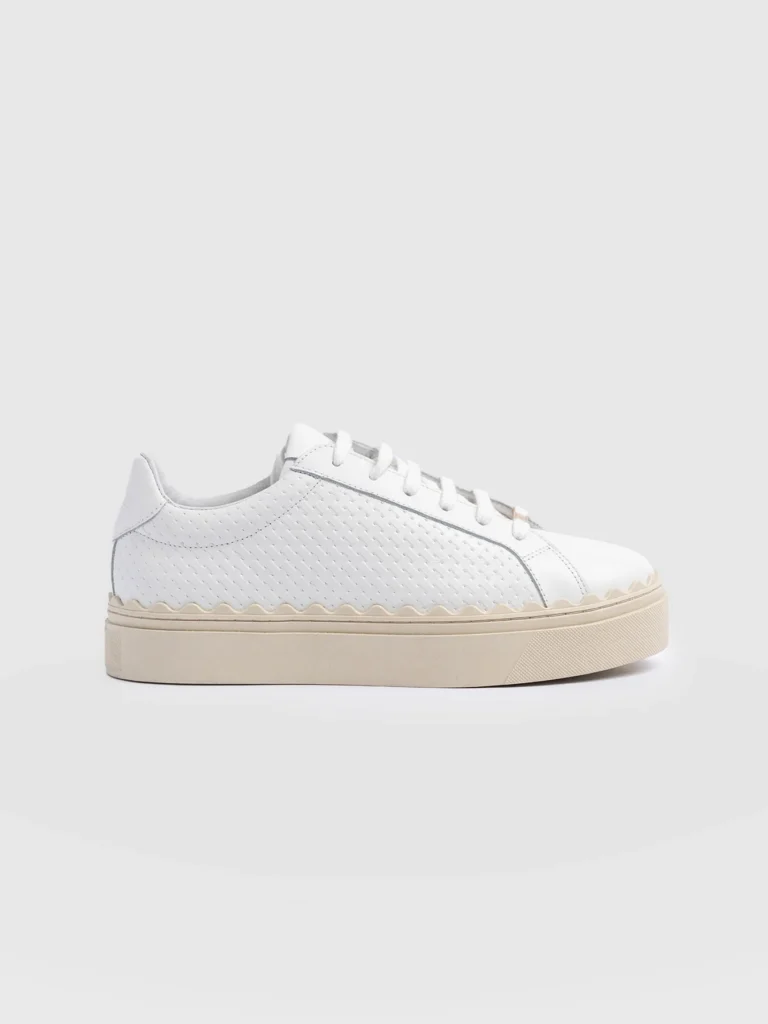
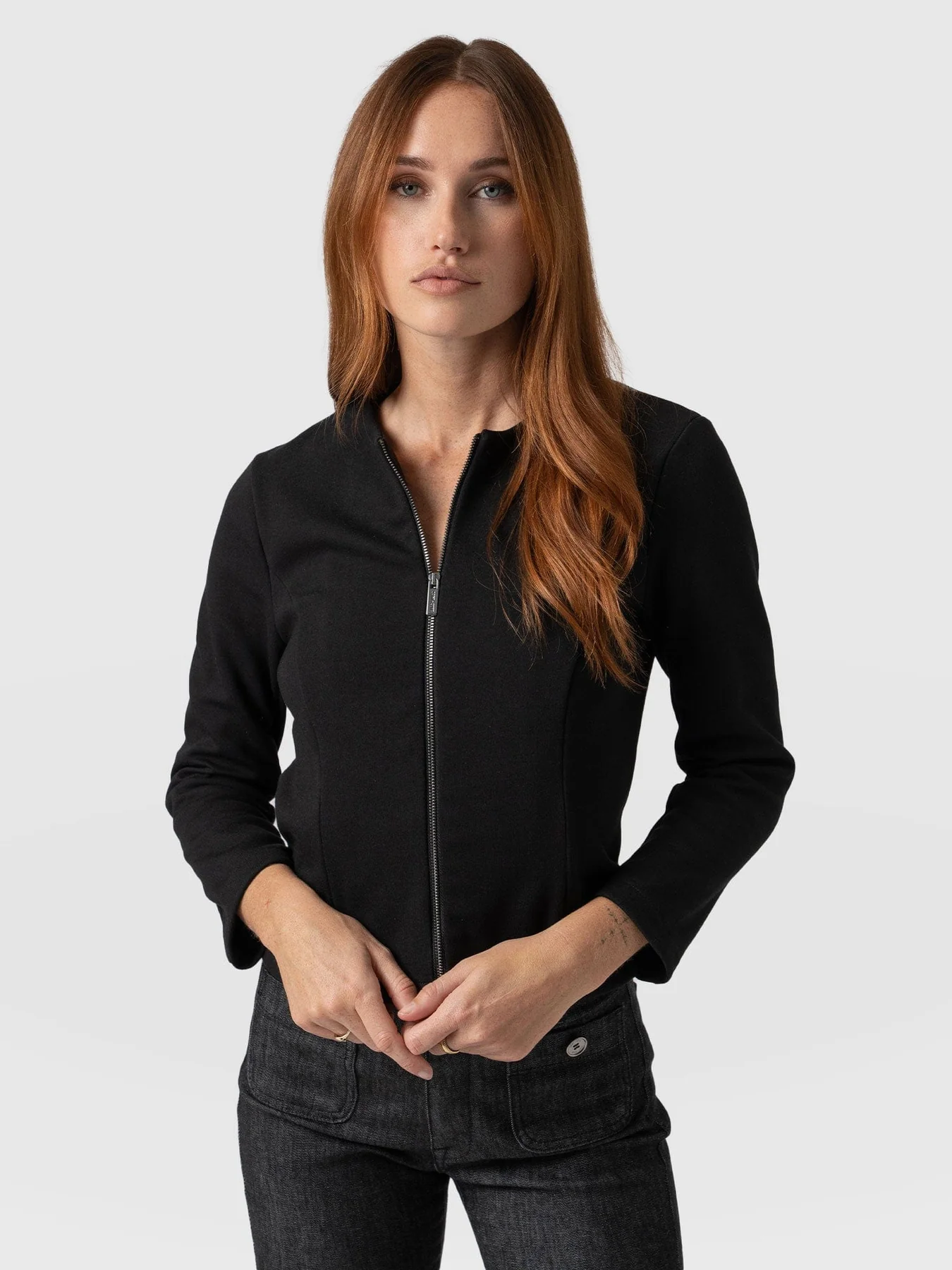
Our Favourite Recycled Polyester Pieces


Recycled Nylon
This material is made from nylon waste, which can be found through nylon products that have already been manufactured, sold, and disposed of – meaning recycled nylon helps to prevent the material from ending in landfills. You’ll also find it commonly recovered from the waste and cut-offs found in the production process of nylon garments and accessories. Its strong and durable finish often makes it a key material for creating bags and accessories, and its elastic, water-resistant qualities make it ideal for swimwear, too.
- The production of recycled nylon uses 90% less water than its virgin counterpart.
- It’s actually possible to recycle nylon without leaving a carbon footprint at all – this is called net zero.
- In general, though, less energy is required to create recycled nylon and on average it saves 50% on CO2 emissions.
- Nylon sent to landfill can take between 30 – 40 years to decompose, saving these scraps of material from waste centres can drastically reduce soil and water toxins.
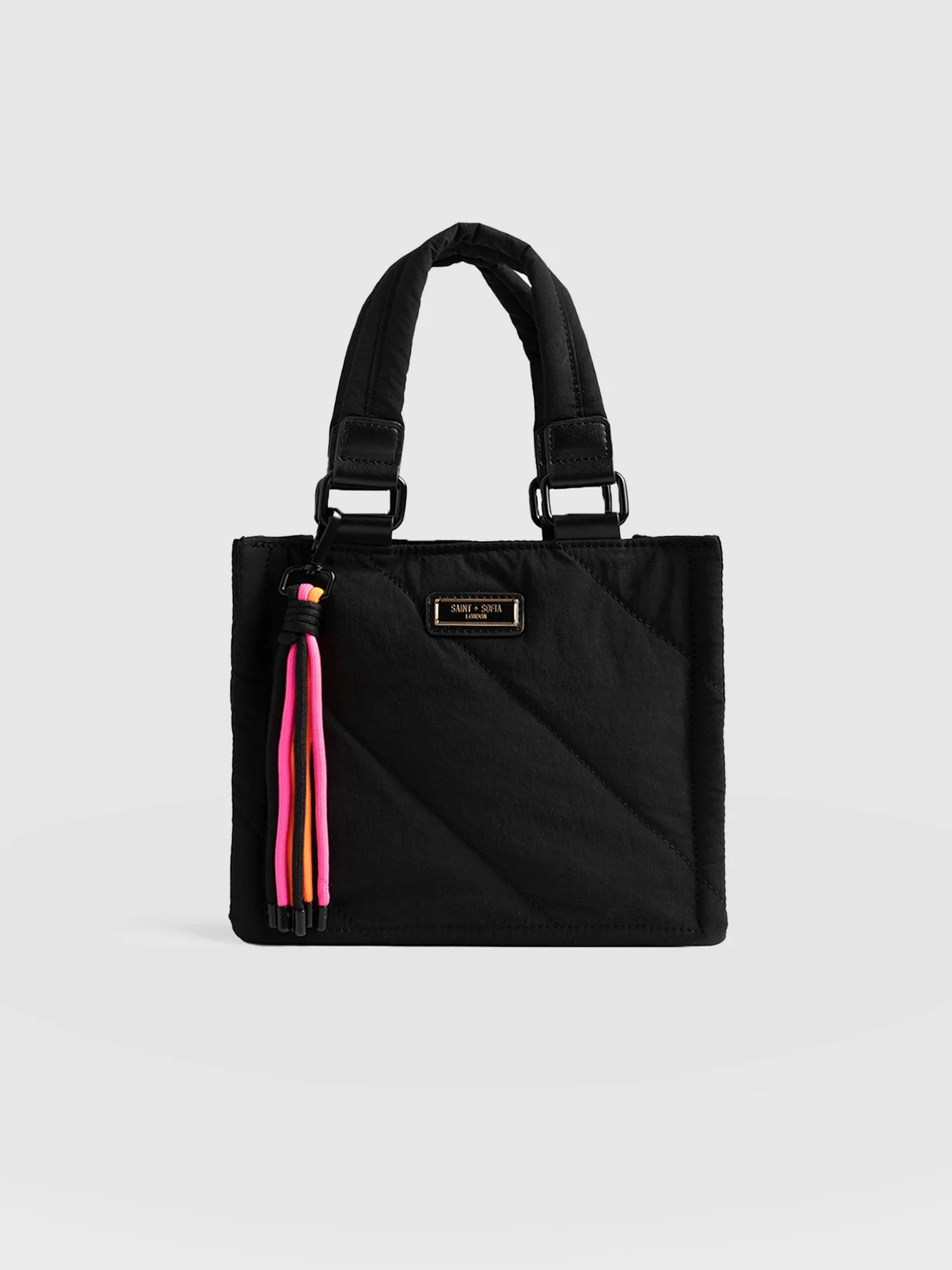
Our Favourite Recycled Nylon Pieces


New Styles
see more